eISSN: 2093-8462 http://jesk.or.kr
Open Access, Peer-reviewed

eISSN: 2093-8462 http://jesk.or.kr
Open Access, Peer-reviewed
Hangyeol Cho
, Hyeonjong Yu
, Kyung Min Kim
, Won Guk Hwang
, Young Woo Kim
10.5143/JESK.2026.45.4.297 Epub 2026 September 01
Abstract
Objective: This study examined the effects of CCTV horizontal and vertical viewing angles and identified camera configurations that provide relatively stable performance in video-based automated OWAS assessment by comparison with motion capture data.
Background: Video-based human pose estimation has emerged as a promising alternative to conventional observational methods for musculoskeletal risk assessment. However, the influence of CCTV viewing angles on posture recognition accuracy has not been sufficiently validated.
Method: A laboratory experiment was conducted simulating a PE pipe manufacturing task. Video data were collected under five horizontal viewing angles (0~180°) and two vertical angles (30°, 60°). Video-based postures were estimated using MediaPipe, and motion capture data were used as ground truth. Performance was evaluated using joint angle errors and OWAS classification accuracy. A two-way repeatedmeasures ANOVA was applied to examine the effects of viewing angles.
Results: Viewing angle had significant effects on OWAS accuracy and joint-level estimation errors. Overall, the lower vertical angle (30°) yielded more stable performance than the higher vertical angle (60°). The highest OWAS code accuracy and the lowest OWAS action category RMSE were observed at the rear low-angle condition (180~30°), whereas side-oriented and high-angle conditions generally increased errors.
Conclusion: Among the tested conditions, low-angle front and rear views provided relatively stable performance for video-based automated OWAS assessment. The maximum exact OWAS code accuracy was 59.2%, supporting the use of single-view CCTV outputs for screening and comparative monitoring in conjunction with expert or sensor-based evaluation.
Application: The findings provide camera-placement guidance for automated posture monitoring; low-angle front or rear views are preferred whereas elevated or sideoriented installations can be supplemented with additional cameras or calibration procedures.
Keywords
Ovako Working posture Analysis System (OWAS) Viewing angle Musculoskeletal risk assessment Video-based posture analysis Assessment accuracy
산업 현장에서 발생하는 근골격계 질환(Musculoskeletal Disorders, MSDs)은 반복적이고 부적절한 작업자세, 과도한 신체 부하, 비대칭적 동작 등의 누적적 노출로 인해 지속적으로 증가하고 있다. 이러한 작업 관련 근골격계 질환은 작업자의 신체적 부담을 가중시킬 뿐 아니라 작업 효율 저하와 산업재해 위험성 증가로 이어지는 주요 요인으로 지적되어 왔다(Bernard, 1997; da Costa and Vieira, 2010; Punnett and Wegman, 2004; Buckle and Devereux, 2002). 이에 따라 국내 산업안전보건법 제39조는 근골격계 부담 작업이 존재하는 사업장에 대하여 3년마다 유해요인조사를 의무적으로 수행하도록 규정하고 있으며, 이는 작업자세 기반 위험도 평가의 중요성을 반영한다.
기존 인간공학적 작업자세 평가 기법인 OWAS (Ovako Working Posture Analysis System), RULA (Rapid Upper Limb Assessment), REBA (Rapid Entire Body Assessment) 등은 산업 현장에서 널리 활용되어 왔으나, 대부분 관찰자 기반 평가에 의존한다는 공통적인 한계를 가진다(Takala et al., 2010). 이러한 평가 방식은 숙련된 평가자의 주관적 판단에 따라 결과가 달라질 수 있으며, 동일한 작업에 대해서도 평가자 간 일치도가 충분히 확보되지 않는 문제가 발생할 수 있다(Kee, 2021). 또한 작업자의 자세를 일정 시점에서 샘플링 하거나 특정 장면을 중심으로 평가하는 경우가 많아, 작업 전 과정에서의 자세 변화를 연속적으로 반영하기 어렵다는 제약이 존재한다(David, 2005). 더불어 산업 현장에서 다수의 작업자를 장시간 관찰해야 하는 경우, 시간과 인력 소모가 크고 실시간 위험 모니터링이 어렵다는 한계도 지적된다(David, 2005; Takala et al., 2010).
최근 이러한 한계를 보완하기 위한 대안으로 영상 기반 비접촉식 자세 인식 기술이 주목받고 있다(Iyer et al., 2025). 특히 스켈레톤 기반 자세 추정 기술은 관절 위치와 움직임을 자동으로 추출하여 정량적 분석을 가능하게 하며(Shotton et al., 2011; Cao et al., 2017; Chen et al., 2020), 작업자세를 연속적으로 분석할 수 있다는 점에서 기존 관찰 기반 평가 방식의 한계를 보완할 수 있다. 특히, 이러한 영상 기반 접근은 산업 현장에 이미 구축된 CCTV 및 산업용 카메라 인프라를 활용할 수 있다는 점에서 비용 효율성과 확장성을 동시에 확보할 수 있다. 더 나아가 이러한 접근은 실시간 또는 장기적 모니터링을 가능하게 하여 근골격계 위험 요인의 상시 관리 체계 구축 가능성을 제시한다(Elforaici et al., 2018; Kwon et al., 2022).
이러한 영상 기반 작업자세 평가의 정확도는 카메라 시점과 같은 촬영 조건에 의존한다는 점이 보고되어 왔다(Baldinger et al., 2025; Dill et al., 2024). 특히 관찰 기반 평가와 영상 기반 평가 간 오차는 허리 비틀림, 하지 불안정성, 비대칭 하중이 동반되는 과업에서 더 크게 나타나는 것으로 보고된다(Diego-Mas and Alcaide-Marzal, 2014; Zhang et al., 2018). 또한 실제 산업 및 농작업 환경에서는 작업 특성상 반복적, 비대칭적 자세가 빈번하게 발생하며, 동일한 작업자의 자세라도 관찰되는 시점에 따라 평가 결과가 달라질 수 있다. 더불어 작업 중 카메라와 작업자 간 위치한 설비나 구조물에 의한 신체 가림(occlusion), 작업자의 신체에 자신의 신체 일부가 가리는 자기 가림(self-occlusion) 현상이 빈번하게 나타난다. 이러한 요인들은 자세 분류 정확도 저하 및 관절 각도 추정 오차 증가의 주요 원인으로 지적되어 왔다(Lee and Han, 2013; Diego-Mas and Alcaide-Marzal, 2014; Paudel et al., 2022; Boldo et al., 2024).
기존 영상 기반 자세 평가 연구는 주로 작업자의 정면 또는 인체 기준 높이에 가까운 시점에서 수행되었다. 반면, 산업 현장의 CCTV는 작업자보다 높은 위치에 설치되거나 정면, 측면 및 후면의 다양한 방향에서 작업자를 관찰하는 경우가 많다. 이러한 설치 조건은 신체 분절의 가시성, 관절 간 겹침 및 자기 가림에 영향을 주어 영상 기반 자세 추정 성능을 변화시킬 수 있다. 본 연구는 실제 CCTV 설치 환경을 반영한 수평각과 수직각 조합에서 스켈레톤 기반 자세 인식과 자동 OWAS 평가 성능을 비교하였다. 카메라 수평각은 0°, 45°, 90°, 135°, 180°로, 수직각은 30°와 60°로 구성하였으며, 각 조건의 영상 기반 평가 결과를 모션 캡처 기반 기준 데이터와 비교하였다.
본 연구의 목적은 CCTV 기반 자동 OWAS 평가에서 촬영각에 따른 정확도와 오차 특성을 규명하고, 현장 설치 시 우선 고려할 카메라 각도를 제시하는 것이다. 모션 캡처 기반 OWAS 결과를 기준값으로 설정하고 CCTV 영상에서 추정한 스켈레톤 기반 OWAS 결과와 비교하였다. 연구 질문은 다음과 같다. RQ1. CCTV 수평각과 수직각의 조합에 따라 영상 기반 자동 OWAS 평가 정확도는 어떻게 달라지는가? RQ2. 어떤 촬영각 조건에서 모션 캡처 기준값 대비 관절각 오차와 OWAS 위험 조치 수준 오차가 가장 작게 나타나는가? RQ3. 산업 현장에서 CCTV 기반 자동 OWAS 평가를 적용할 때 우선 고려할 설치각과 추가 보완이 필요한 설치각은 무엇인가? 이에 따라 다음과 같은 가설을 설정하였다. H1. 고각 조건(60°)보다 저각 조건(30°)에서 영상 기반 OWAS 평가 정확도는 높고 관절각 오차는 작게 나타날 것이다. H2. 측면 계열 수평각(45~135°)보다 정면 또는 후면에 가까운 수평각(0° 또는 180°)에서 영상 기반 OWAS 평가 정확도는 높고 관절각 오차는 작게 나타날 것이다. H3. 수평각과 수직각의 조합은 영상 기반 자동 OWAS 평가 정확도와 오차 지표에 상호작용 효과를 보일 것이다.
본 연구의 기여점은 다음과 같다. 첫째, 수평각과 수직각 조합에 따른 관절각 추정 오차와 OWAS 평가 정확도를 함께 분석하여 CCTV 촬영각별 성능 차이를 정량적으로 제시한다. 둘째, 단일 CCTV 환경에서 우선 고려할 설치각과 추가적인 보완이 필요한 설치각을 구분한다. 셋째, 작업자의 주요 동작 방향과 신체 가시성을 고려한 CCTV 배치 방향을 제안한다. 이러한 결과는 다중 CCTV 환경의 촬영 전략과 자동 근골격계 위험 모니터링 시스템 설계의 기초자료로 활용될 수 있다.
2.1 Research framework
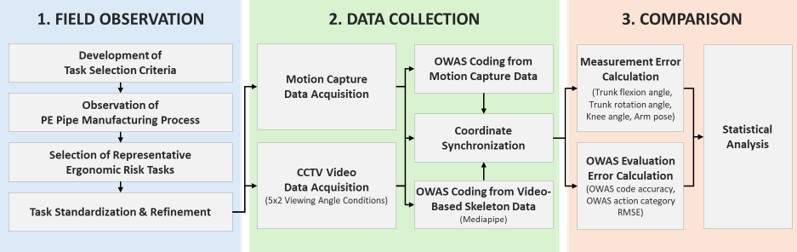
본 연구는 CCTV 기반 영상으로부터 스켈레톤 데이터를 추출하고, 이를 활용한 근골격계 위험도 자동 평가 과정에서 카메라 촬영 각도(수평각, 수직각)가 평가 정확도에 미치는 영향을 정량적으로 검증하기 위해 다음과 같은 연구 절차가 수행되었다(Figure 1). 첫째, PE 파이프 제조 공정을 대상으로 현장 관찰을 수행하여 근골격계 부담이 명확하고 OWAS 코드 분류가 가능한 대표 작업 과업을 선정하였다. 이후 해당 과업을 실험실 환경에서 재현 가능하도록 세분화하고, 모든 참여자가 동일한 방식으로 수행할 수 있도록 작업절차를 표준화하였다. 둘째, 다양한 CCTV 촬영 각도 조건에서 표준화된 작업을 수행하도록 하고, 이에 대한 영상 데이터를 수집하였다. 동시에 모션 캡쳐 시스템을 활용하여 작업 중 자세 데이터를 기준값으로 획득하였으며, 영상 기반 데이터와 모션 캡쳐 데이터 간 좌표계를 정합하여 직접 비교가 가능하도록 하였다. 이후 영상 기반 데이터와 모션 캡쳐 데이터를 각각 활용하여 자세 추정 및 OWAS 코드 도출을 수행하였다. 두 데이터 간 비교를 통해 관절 각도 오차(등 굽힘, 몸통 비틀림, 하지 각도, 팔 위치 등)와 함께 OWAS 코드 정확도 및 위험 조치 수준 기반의 인간공학적 위험도 평가 결과 오차를 산출하였다. 마지막으로, 반복측정 이원분산분석을 통해 수평각과 수직각의 주효과 및 상호작용 효과를 검정함으로써 촬영 각도에 따른 평가 정확도의 차이를 통계적으로 분석하였다.
2.2 Participants
본 연구에는 신체에 지장이 없으며 실험 과업 수행에 무리가 없는 성인 남성 5명(연령 25~42세, M = 29.2, SD = 7.22)이 참여하였다. 본 연구는 모든 참가자가 수평각 5수준과 수직각 2수준의 총 10개 촬영각 조건을 모두 수행하는 피험자 내 반복측정 설계로 수행되었다. 모든 피험자는 실험 수행에 문제 없는 신체 상태였으며, 실험 중 신체적 부담이 발생할 경우 언제든지 실험을 중단할 수 있음을 사전에 고지받았다. 영상 기반 스켈레톤 인식의 정확도를 확보하기 위하여 모든 참가자는 관절 위치가 명확히 식별될 수 있도록 신체 윤곽이 드러나는 몸에 밀착된 복장을 착용하였다.
2.3 Apparatus
영상 데이터 수집에는 상용 CCTV 카메라인 Tapo C520WS 10대를 사용하였다. 각 카메라는 고정된 작업 수행 중심점을 기준으로 하나의 수평각(0°, 45°, 90°, 135°, 180°)과 수직각(30°, 60°) 조합을 구현하도록 서로 다른 지점에 설치하였다. 작업자와 작업 대상의 위치는 바닥 표식으로 고정하였으며, 모든 카메라의 광축은 동일한 작업 수행 중심점을 향하도록 정렬하였다. 수평각은 참가자가 과업을 시작할 때 바라보는 방향을 0°로 한 방위각으로 정의하였고, 수직각은 바닥면을 기준으로 카메라가 작업 수행 중심점을 내려다보는 고도각으로 정의하였다. 카메라 설치 지점은 각 수평각×수직각 조건에 따라 결정되었으며, 분석 요인은 수평각과 수직각으로 구성하였다. 기준 데이터는 관성 센서 기반 전신 모션 캡처 시스템인 Perception Neuron 3 (Noitom Technologies)으로 수집하였다. 이 장비는 참가자의 주요 관절 위치와 움직임을 3차원 좌표로 기록하며, 모션 캡처 데이터는 영상 기반 스켈레톤 추정 결과의 기준값으로 사용하였다.
2.4 Experimental design
본 연구는 수평각 5수준과 수직각 2수준으로 구성된 피험자 내 반복측정 설계를 적용하였다. 독립변수는 카메라 수평각과 수직각이었으며, 종속변수는 관절각 오차, 팔 자세 분류 오차, OWAS 코드 정확도 및 OWAS 위험 조치 수준 RMSE였다. 수평각은 고정된 작업 수행 중심점을 기준으로 0°, 45°, 90°, 135°, 180°로 설정하였고, 수직각은 바닥면을 기준으로 30°와 60°로 설정하였다. 수평각 0°, 90°, 180°는 각각 정면, 측면, 후면 조건으로, 수직각 30°와 60°는 각각 저각과 고각 조건으로 정의하였다. 각도 수준은 산업 현장에서 CCTV가 작업자보다 높은 위치에 설치되고 다양한 방향에서 작업자를 관찰하는 상황을 반영하였다. 10대의 카메라는 각 수평각×수직각 조합을 담당하도록 배치하였으며, 작업자와 작업 대상의 위치는 모든 조건에서 동일하게 유지하였다(Figure 2).
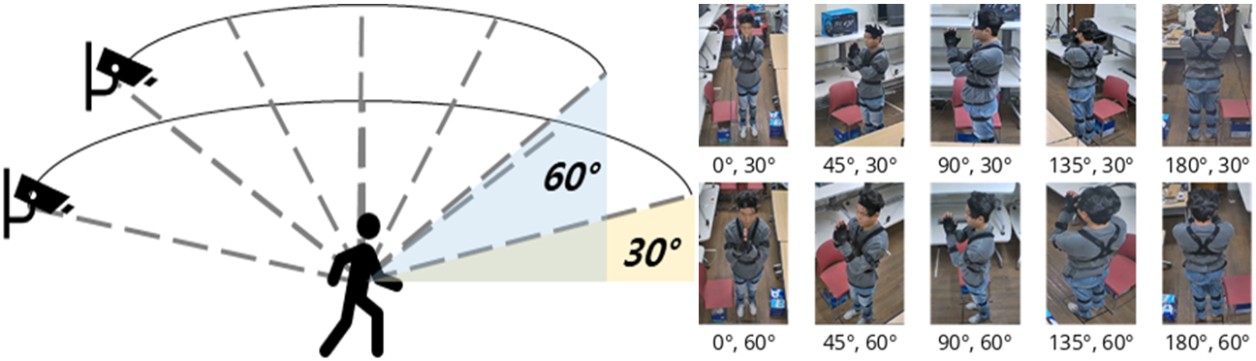
데이터 수집은 조도와 배경 조건을 일정하게 유지한 실험실의 단일 작업 공간에서 수행하였다. 각 CCTV는 참가자의 과업 수행 전 구간을 25 fps로 연속 녹화하였다. 사전에 정의한 분석 구간의 모든 프레임을 이미지 단위로 변환한 후 MediaPipe Pose를 적용하여 주요 관절점을 추출하였다. 영상 프레임은 동일 시간대의 모션 캡처 데이터와 비교할 수 있도록 동기화하였다. 5명의 참가자가 네 가지 표준화 과업을 수행하였으며, 촬영각 조건별 7,369개씩 총 73,690개의 이미지 프레임을 분석하였다.
2.5 Experimental task
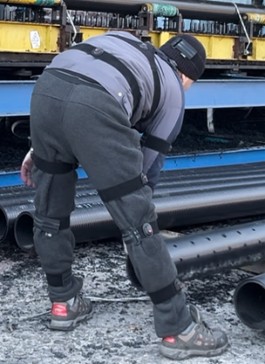
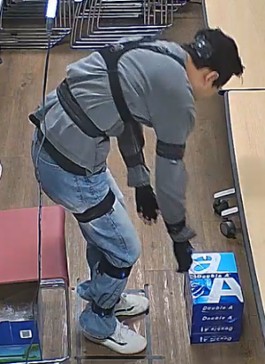
본 연구에서는 영상 기반 자동 근골격계 부담 평가 알고리즘의 산업 현장 적용 가능성을 검증하기 위하여, 실제 PE 파이프 제조업 생산 공정을 대상으로 체계적인 현장 관찰을 선행하였다. 현장 관찰은 작업자의 자연스러운 작업 흐름과 반복적으로 나타나는 대표 작업자세를 파악하는 데 목적을 두었으며, 공정 맥락 속에서 근골격계 부담이 발생할 가능성이 높은 작업 상황을 중심으로 수행되었다. 과업 선정 기준은 다음과 같았다. 실제 PE 제조업 현장에서 빈번하게 수행되는 대표성 있는 작업일 것, 몸통, 상지, 하지의 복합적인 자세 변화를 포함할 것, 그리고 실험실 환경에서 안전하게 반복 재현이 가능할 것이라는 세 가지 기준에 따라 이루어졌다. 이에 따라 바닥에서 파이프를 들어 쌓는 동작, 파이프를 들고 상체를 회전하는 동작, 상부 작업면에 위치한 원료를 하방 이동시키는 동작, 그리고 쪼그려 앉은 저자세에서 타공기를 유지 보수하는 동작을 본 연구의 핵심 관심 과업으로 도출하였다(Table 1).
|
Task |
Task name |
Task description |
Field image |
Laboratory image |
|
1 |
Stacking PE pipes located on the floor |
Lifting a heavy object |
|
|
|
2 |
Positioning PE pipes |
Lifting and transferring |
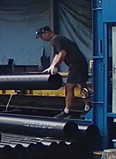
|
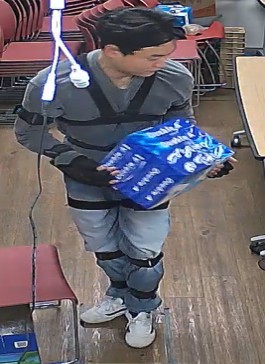
|
|
3 |
Lowering PE raw |
Moving an object located |
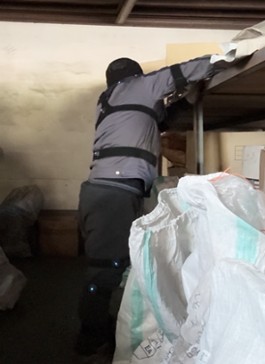
|
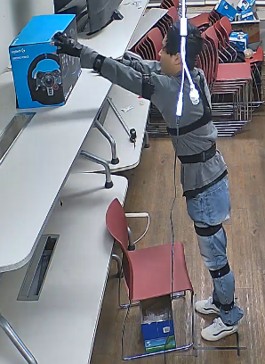
|
|
4 |
Inspecting the PE |
Handling an object |
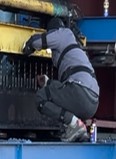
|
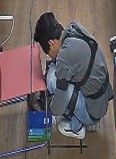
|
선정된 관심 과업은 실제 산업 현장의 작업 특성을 최대한 유지하면서도, 실험 통제와 반복측정을 가능하게 하기 위해 실험실 환경에 적합한 형태로 재정의되었다. 실험 과업 정의 과정에서는 작업의 시작 자세, 수행 중 핵심 동작, 종료 자세를 명확히 구분하여 각 과업의 구조를 표준화하였다. 또한 모든 참가자가 동일한 조건에서 과업을 수행할 수 있도록 작업 높이, 물체 중량, 이동 거리 및 동작 순서를 사전에 규정하였다.
2.6 Measures
본 연구에서는 영상 기반 자동 평가 결과의 정확도를 검증하기 위하여 OWAS를 기준 체계로 활용하였다. OWAS는 작업 중 나타나는 몸통, 상지, 하지 및 하중 조건을 체계적으로 분류하여 전신 작업자세의 부담 수준을 평가하는 대표적인 관찰 기반 기법으로, 분류된 자세 조합을 바탕으로 위험 조치 수준(action category)을 제시할 수 있다는 점에서 산업 현장 적용성이 높다. 특히 OWAS에서는 작업자의 자세를 OWAS code 형태로 표현하는데, 이는 작업 중 관찰된 신체 자세를 네 자리의 숫자 코드로 변환한 것으로, 몸통, 상지, 하지, 하중을 각각 범주화하여 하나의 조합 코드로 나타낸다. 예를 들어 몸통이 곧게 펴져 있는지, 굽혀져 있는지, 비틀려 있는지와 같은 몸통 자세, 팔이 어깨 아래에 있는지 또는 위로 올라가 있는지, 하지가 서 있는 자세인지 앉은 자세인지, 그리고 작업 중 취급하는 하중의 정도가 코드에 반영된다. 따라서 OWAS code는 단순히 특정 관절각 하나를 의미하는 것이 아니라, 작업자의 전신 자세와 하중 조건을 종합적으로 요약한 자세 분류값이다.
OWAS에서 산출되는 위험 조치 수준은 해당 OWAS code가 근골격계에 어느 정도의 부담을 주는지, 그리고 작업자세 개선이 얼마나 시급한지를 나타내는 위험도 등급이다. 위험 조치 수준은 낮은 수준의 부담으로 즉각적인 개선이 필요하지 않은 경우(action category = 1)부터, 근골격계 부담이 매우 높아 즉각적인 작업 개선이 요구되는 경우까지 단계적으로 구분(action category = 4)된다. 즉, OWAS code가 작업자의 자세 자체를 구조적으로 분류한 값이라면, 위험 조치 수준은 그 자세 조합이 갖는 인간공학적 위험 수준과 개선 필요성을 해석한 결과값으로서, 낮은 수준에서 높은 수준으로 단계적으로 구분되는 순서적(ordinal) 데이터로 해석된다. 본 연구에서는 이러한 OWAS의 분류 논리를 바탕으로 모션 캡쳐 및 영상 기반 데이터로부터 부위별 자세 코드를 자동 생성하고, 이를 비교함으로써 영상 기반 자동 평가 결과의 정확도를 검증하고자 하였다. 특히 본 연구에서는 모션 캡처 기반 OWAS 결과를 기준값으로 설정하고, 영상 기반 자세 추정 결과와의 일치도 및 오차를 통해 평가 정확도를 정의하였다(Table 2).
|
Category |
Metric |
Description |
Unit |
|
Measurement |
Trunk flexion angle error |
Difference between motion capture and
video-based |
degree (°) |
|
Trunk rotation angle error |
Difference between motion capture and
video-based |
degree (°) |
|
|
Knee angle error |
Difference between motion capture and
video-based |
degree (°) |
|
|
Arm pose error |
Percentage of mismatches between motion capture |
% |
|
|
Evaluation |
OWAS code accuracy |
Agreement between motion capture-based and |
% |
|
OWAS action category error |
RMSE between motion capture-based and
video-based |
- |
측정(measurement) 수준에서는 영상 기반 자세 추정의 기초 정확도를 평가하였다. 연속형 변수인 관절각(등 굽힘, 허리 비틀림, 무릎 각도)에 대해서는 모션 캡처 기준값과 영상 기반 추정값 간의 절대 오차를 산출하여 촬영 각도 조건에 따른 평균 오차를 비교하였다. 또한 팔 자세의 경우, 두 팔 모두 위, 한 팔만 위, 두 팔 모두 아래와 같은 범주형 기준에 따라 모션 캡처 기반 분류 결과와 영상 기반 분류 결과 간의 불일치 비율을 산출하였다. 평가(evaluation) 수준에서는 OWAS 기반 작업자세 평가 결과의 정확도를 분석하였다. OWAS code 정확도는 몸통, 상지, 하지의 각 세부 코드에 대해 모션 캡처 기반 분류 결과와 영상 기반 자세 분류 결과 간의 일치 여부를 비교하여 산출하였다. OWAS 위험 조치 수준 기반 오차 분석에서는 부위별 코드 조합으로부터 도출된 OWAS 자세를 위험 조치 수준(1~4)으로 변환한 후, 모션 캡처 기반 결과와 영상 기반 결과 간의 차이를 산출하였다. 또한 촬영 각도 조건별로 위험 조치 수준 차이에 대한 제곱 평균 제곱근 오차(Root Mean Square Error, RMSE)를 계산하여 영상 기반 평가 결과의 정량적 오차 수준을 비교하였다.
2.7 Procedure
참가자는 실험실에 도착한 후 연구 목적 및 실험 절차에 대한 설명을 제공받고, 자발적 실험 참여에 동의하였다. 설명 내용에는 실험의 목적, 수행해야 할 작업 과업의 종류, 카메라 촬영 각도 조건, 모션 캡쳐 장비 착용 방법, 그리고 실험 중 발생할 수 있는 신체적 부담에 대한 안내가 포함되었다. 또한 참가자는 실험 도중 불편함이나 통증이 발생할 경우 언제든지 실험을 중단할 수 있음을 재확인 받았다. 설명 후 참가자는 모션 캡쳐 장비(Perception Neuron 3)를 착용하였다. 전신 센서는 제조사 가이드라인에 따라 주요 관절 부위에 부착되었으며, 장비 착용 후 초기 자세 보정(calibration)을 수행하였다.
장비 보정이 완료된 후, 참가자는 각 과업 시작 전에 카메라 시야 내에서 손뼉 신호를 수행한 뒤, 사전에 정의된 작업 과업을 순차적으로 수행하였다. 각 과업은 시작 자세(start state), 핵심 동작(during), 종료 자세(end state)의 순서로 수행되었으며, 모든 동작은 일정한 속도로 수행하도록 지시하였다. 각 촬영 조건에서 작업 수행 중 모션 캡처 데이터와 CCTV 영상 데이터가 동시에 수집되었다. 과업 수행 간에는 충분한 휴식 시간을 제공하여 피로 누적을 방지하였다. 모든 조건 수행이 완료된 후 모션 캡처 장비를 제거하였으며, 참가자는 실험 종료 안내를 받고 귀가하였다.
2.8 Analysis
2.8.1 Pose analysis
모션 캡처 데이터와 CCTV 영상 데이터는 동일 과업 수행 중 동시에 수집하였으며, 모션 캡처 데이터를 기준값으로 사용하여 영상 기반 자세 추정 정확도를 평가하였다. CCTV 영상에서는 양손이 접촉하는 첫 프레임을, 모션 캡처 데이터에서는 양손 관절의 거리와 속도 변화가 가장 크게 나타나는 시점을 동기화 기준으로 설정하고 두 시점을 0초로 정렬하였다. CCTV 영상과 모션 캡처 데이터는 각각 25 fps와 60 fps로 수집되었으므로, CCTV 5프레임과 모션 캡처 12프레임이 동일한 0.2초 구간에 해당하도록 공통 시간축을 구성하였다. 각 프레임의 시간은 CCTV 영상의 경우 t = j/25, 모션 캡처 데이터의 경우 t = i/60으로 계산하였으며, 각 CCTV 프레임과 시간적으로 가장 가까운 모션 캡처 프레임을 대응시켰다. 이후 CCTV 프레임에 MediaPipe Pose를 적용하여 관절 좌표를 산출하였다. 모션 캡처 관절 좌표는 BVH (BioVision Hierarchy) 좌표계에서 추출한 뒤 Hip 관절 기준의 상대 좌표계로 변환하였다. MediaPipe의 3차원 World Coordinate는 카메라 좌표계를 기준으로 산출되므로, 각 카메라 촬영각에 맞추어 좌표계를 회전 변환한 후 관절각을 계산하였다.
본 연구의 비교 단위는 촬영각 조건이었다. 네 가지 대표 과업에서 수집된 프레임을 통합하여 각 촬영각 조건의 OWAS 평가 정확도와 관절각 오차를 산출하였으며, task는 별도의 분석 요인으로 포함하지 않았다.
관절각 및 자세 판별 기준은 다음과 같이 설정하였다.
Trunk flexion angle(등 굽힘)
좌우 골반 평균 위치와 좌우 어깨 평균 위치를 연결한 몸통 벡터를 정의하고, 해당 벡터와 바닥 면 법선 벡터 간의 내적을 통해 각도를 산출하였다. 두 벡터 간 각도가 20° 이상일 경우 등 굽힘 자세로 판단하였다.
Trunk rotation angle(허리 비틈)
좌우 어깨를 연결한 벡터와 좌우 골반을 연결한 벡터를 수평면에 투영한 후 두 벡터 간 각도를 산출하였다. 해당 각도가 20° 이상일 경우 몸통 비틀림 자세로 분류하였다.
Left/Right knee angle(다리 굽힘)
다리 굽힘 각도는 좌우 다리를 각각 독립적으로 평가하였다. 각 다리에 대해 골반–무릎 벡터와 무릎–발 벡터 간의 각도를 산출하였다. 두 벡터 사이의 각도가 150° 이상일 경우 해당 다리가 펴진 상태로 간주하였다.
Arms(팔)
팔의 자세는 좌우 어깨 높이를 기준으로 판단하였다. 좌우 어깨의 y 좌표 중 낮은 값을 기준으로 설정하고, 각 손목의 y 좌표와 비교하여 팔 들기 여부를 판별하였다. 손목의 y 좌표가 기준값보다 클 경우 해당 팔을 든 것으로 간주하였다.
본 연구는 촬영 각도 조건에 따른 영상 기반 자세 인식 정확도를 비교하는 것을 목적으로 하였으며, 제자리 수행 작업을 중심으로 분석을 수행하였다. 걷기와 같은 동적 자세는 분석 대상에서 제외하였다.
2.8.2 Statistical analysis
카메라 촬영각이 영상 기반 자세 인식 성능에 미치는 영향을 검증하기 위해 반복측정 이원분산분석(two-way repeated-measures ANOVA)을 수행하였다. 모든 참가자가 수평각과 수직각의 전체 조건을 수행하였으므로 두 요인을 반복측정 요인으로 설정하였다. 반복측정 분석에는 참가자별 · 촬영각 조건별 프레임 평균값을 사용하였다. 관절각 오차와 평가 지표에 대해 수평각×수직각의 주효과와 상호작용 효과를 검정하였으며, 유의한 효과가 확인된 경우 대응별 비교를 실시하였다. 구형성 가정이 충족되지 않은 경우 Greenhouse–Geisser 보정을 적용하였다. 통계적 유의수준은 0.05로 설정하였으며, 분석에는 SPSS를 사용하였다.
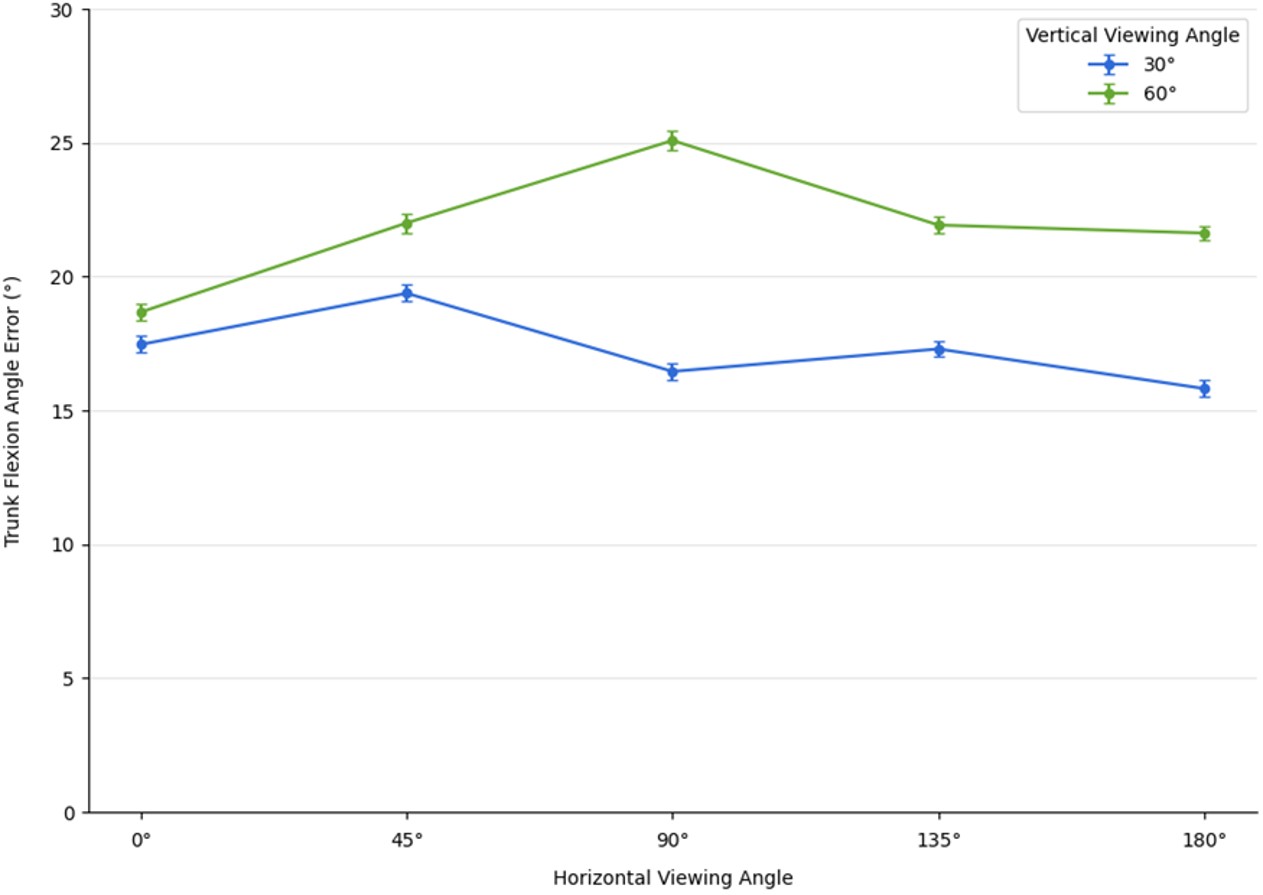
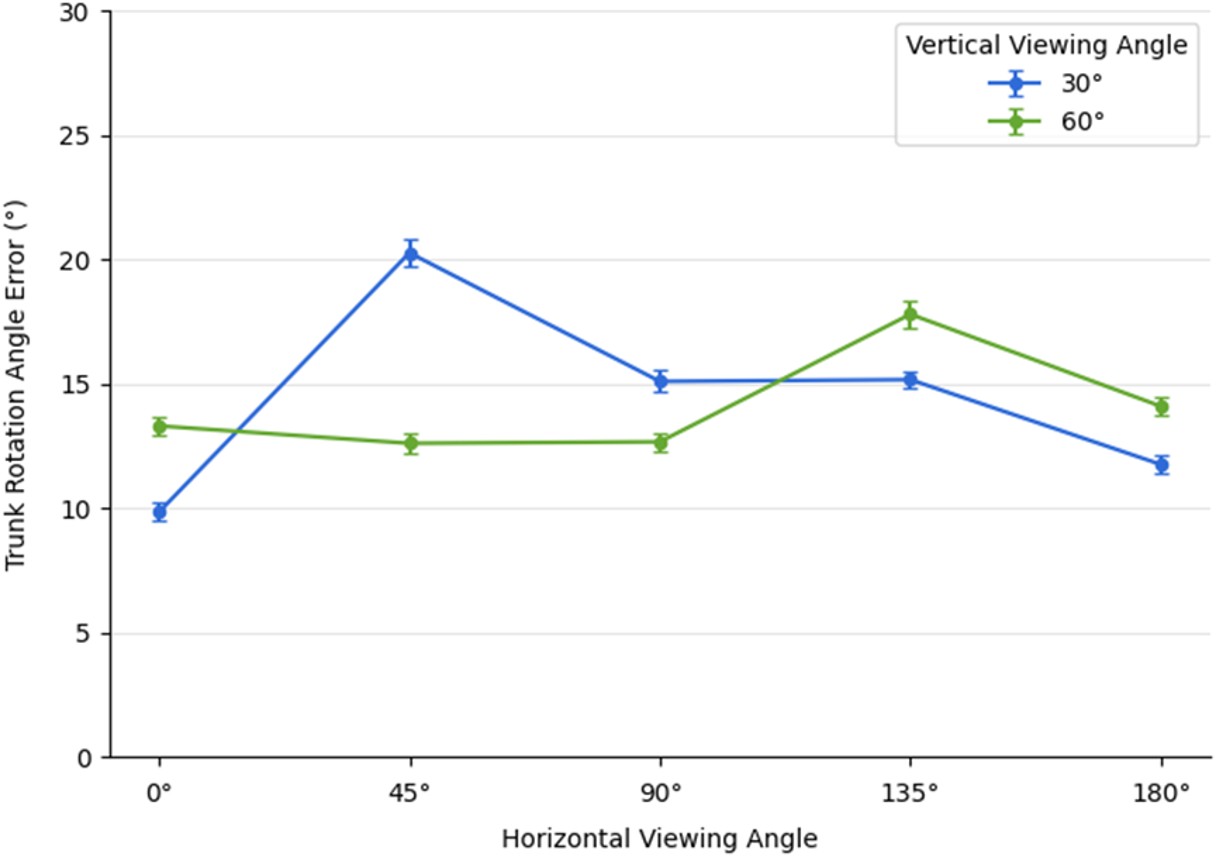
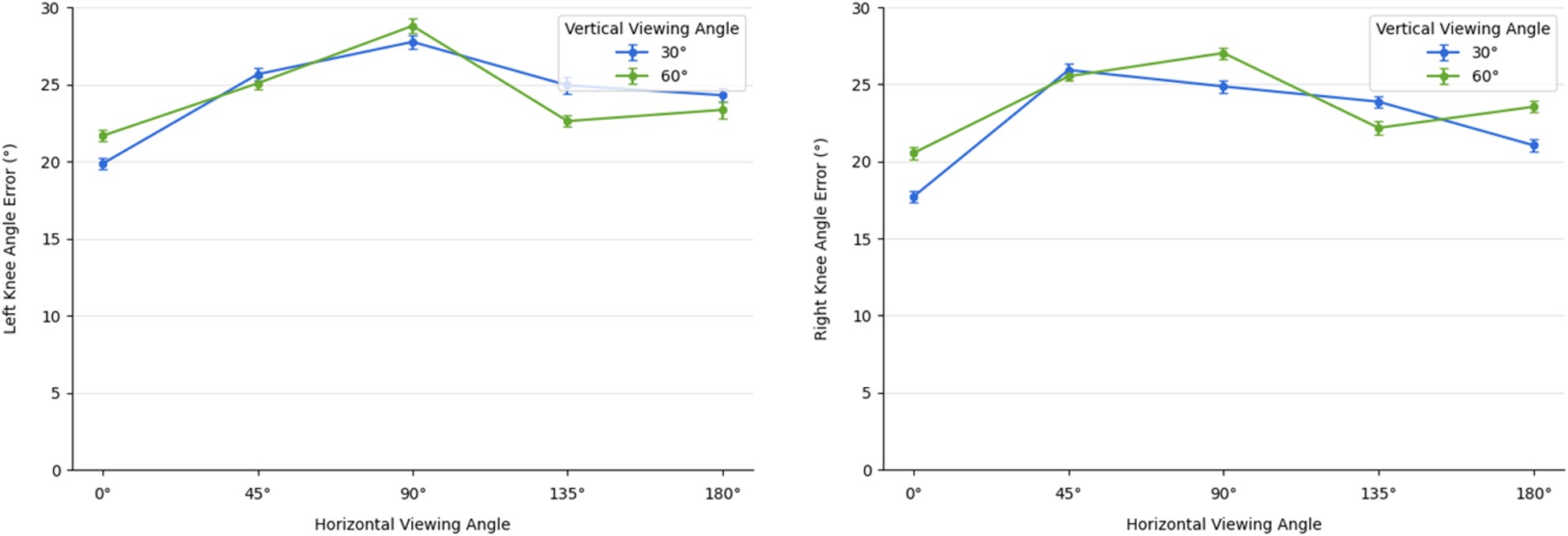
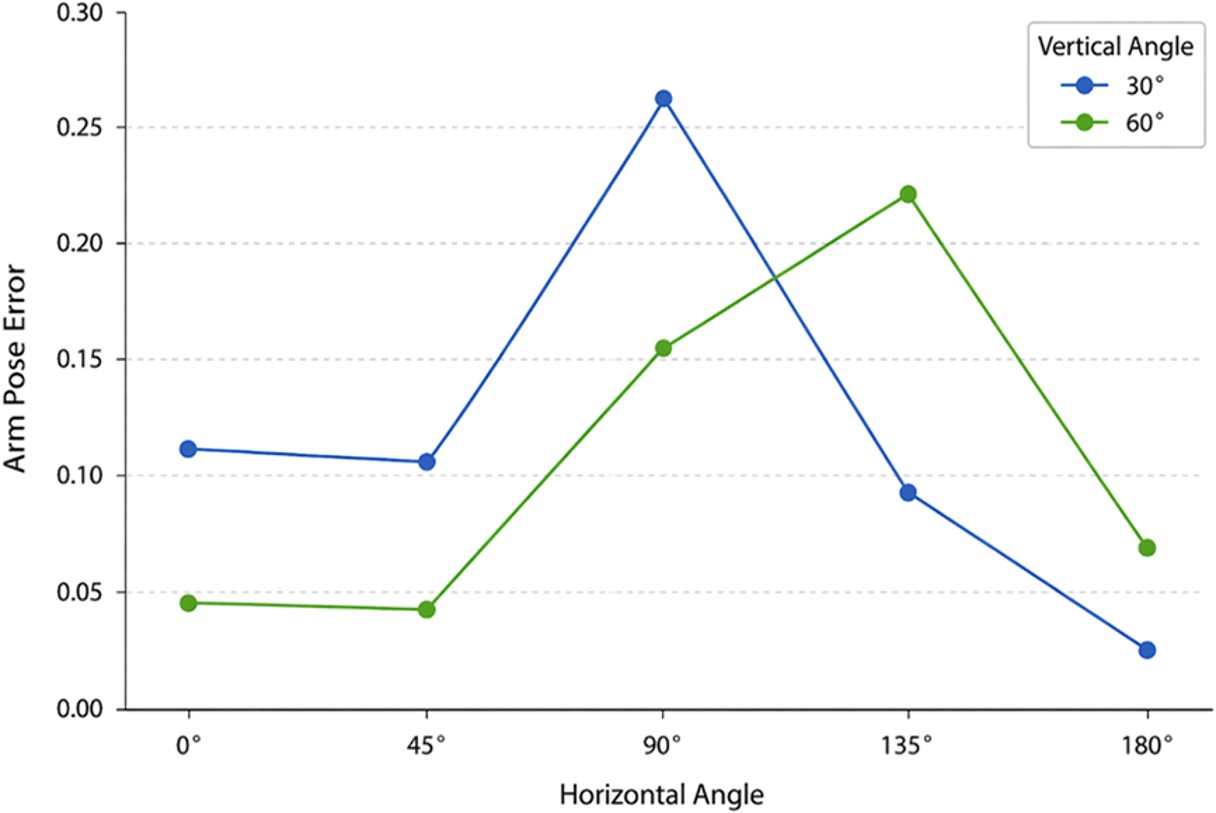
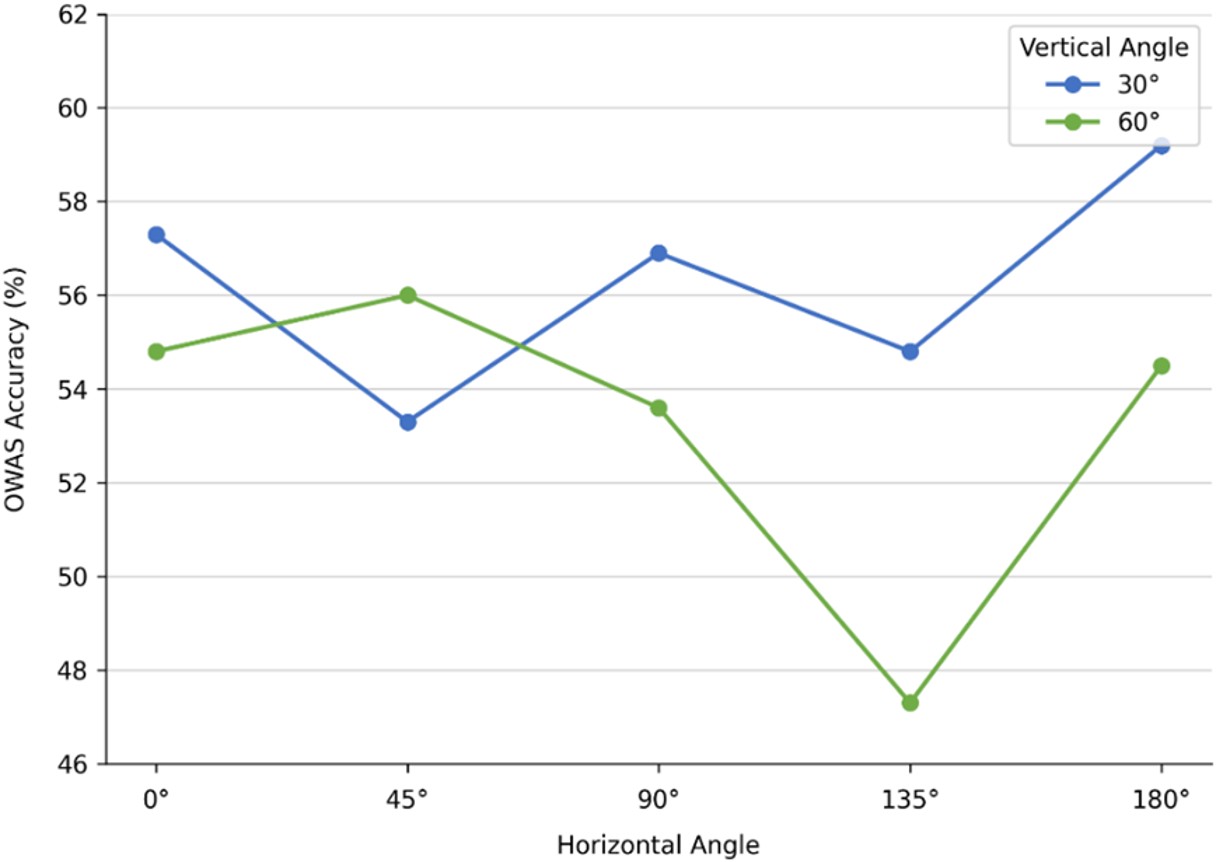
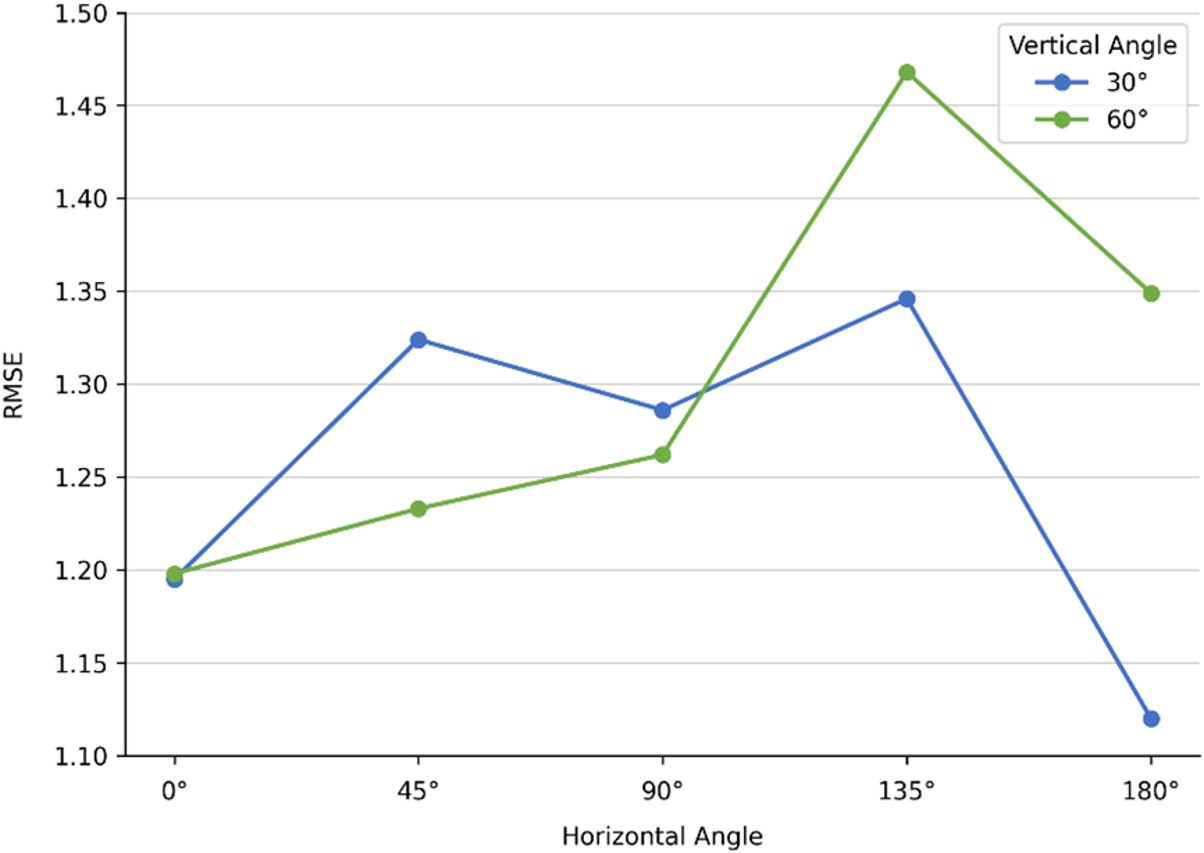
동기화된 모션 캡처 데이터와 CCTV 기반 자세 추정 결과를 프레임 단위로 비교하여 등 굽힘 각도 오차, 허리 비틂 각도 오차, 좌 · 우 무릎 각도 오차, 팔 자세 분류 오차, OWAS 코드 정확도 및 OWAS 위험 조치 수준 RMSE를 산출하였다. 촬영각 조건별 결과는 네 가지 과업에서 수집한 프레임을 통합하여 제시하였다. Figure 3-5에는 모션 캡처 기준값 대비 관절각 절대오차(°)를 제시하였으며, 그래프 간 비교를 위해 y축 범위를 0~30°로 통일하였다. Figure 6-8은 각각 팔 자세 분류 오차, OWAS 정확도(%), 위험 조치 수준 RMSE를 나타내므로 지표별 단위와 범위에 맞는 y축을 적용하였다.
3.1 Joint angle error
3.1.1 Trunk flexion angle error
Figure 3은 등 굽힘 각도에 대한 측정 오차를 나타낸 그래프이다. 이원분산분석 결과, 수평각과 수직각의 주효과 및 두 요인 간 상호작용 효과가 모두 통계적으로 유의하게 나타났다(p < .001). 수직각 조건 간 단순 주효과 분석 결과, 모든 수평각 조건에서 저각(V30°)과 고각(V60°) 간 평균 차이가 유의하게 나타났다(p < .001). 평균 차이의 크기는 1.34°에서 8.61° 범위로 나타났으며, 측면(H90°) 조건에서 가장 큰 차이가 관찰되었다. 특히 후면 저각 조건(H180°~V30°)에서 가장 작은 측정 오차가 확인되었다. 전반적으로 저각(V30°) 조건에서 정확도가 높고, 고각 조건(V60°) 특히 측후면(H45°~180°) 계열 조건에서 오차가 증가하는 경향이 확인되었다.
3.1.2 Trunk rotation angle error
Figure 4는 허리 비틈 각도에 대한 측정 오차를 나타낸 그래프이다. 분석 결과, 수평각과 수직각의 주효과 및 상호작용 효과가 모두 통계적으로 유의하게 나타났다(p < .001). 단순 주효과 분석 결과, 모든 수평각 조건에서 저각(V30°)과 고각(V60°) 간 평균 차이는 유의하였으나(p < .001), 수평각에 따라 차이의 방향은 상이하게 나타났다. 정면(H0°), 측후면(H135°), 후면(H180°) 조건에서는 저각(V30°)이 더 작은 오차를 보인 반면, 정측면(H45°)과 측면(H90°) 조건에서는 고각(V60°)이 더 작은 측정 오차를 보였다. 이는 허리 비틀림 추정이 정면에서는 비교적 안정적으로 수행되지만, 촬영 각도 조합에 따라 오차 경향이 일관되지 않게 나타남을 의미한다.
3.1.3 Knee angle error
Figure 5는 다리 굽힘 각도에 대한 측정 오차를 나타낸 그래프이다. 왼쪽 및 오른쪽 다리 굽힘 각도 오차에 대한 분석 결과, 수평각의 주효과가 통계적으로 유의하게 나타났으며(p < .001), 수직각 또한 유의한 영향을 미쳤다(p < .001). 전반적으로 저각(V30°)과 고각(V60°) 모두에서 정면(H0°) 조건에서 가장 작은 오차가 관찰되었다. 왼쪽 다리의 경우, 측면(H90°) 조건에서 가장 큰 오차가 나타났으며, 오른쪽 다리의 경우 저각(V30°)에서는 정측면(H45°), 고각(V60°)에서는 측면(H90°) 조건에서 가장 큰 오차가 확인되었다. 즉, 전반적으로 작업자를 정측면(H45°) 및 측면(H90°)에서 촬영한 조건에서 다리 굽힘 각도 오차가 증가하는 경향이 나타났다.
3.1.4 Arm pose error
Arm 자세는 팔의 들림 여부에 따라 구분되는 범주형 변수로 정의되므로, 관절각 오차가 아닌 분류 정확도를 기반으로 측정 오류를 평가하였다. 분석 결과, Arm pose error는 0.027에서 0.263 범위로 나타났다(Figure 6). 이원분산분석 결과, 수평각과 수직각 간 상호작용 효과가 통계적으로 유의하게 나타났다(p < .001). 단순 주효과 분석 결과, 정면에서 측면(H0~H90°)에 이르는 조건에서는 고각(V60°)에서 유의하게 낮은 오차가 나타난 반면(p < .001), 측후면(H135°) 및 후면(H180°) 조건에서는 저각(V30°)에서 더 낮은 오차가 나타났다(p < .001). 가장 낮은 오차는 후면 저각 조건(H180°~V30°)에서 확인되었으며(0.027), 이는 해당 조건에서 Arm 자세 분류 정확도가 약 97.3%로 가장 높았음을 의미한다.
3.2 OWAS code accuracy
Figure 7은 OWAS 코드 정확도를 수평각과 수직각 조합에 따라 나타낸 그래프이다. OWAS 코드 정확도는 정측면(H45°)을 제외한 모든 수평각 조건에서 저각(V30°)이 고각(V60°) 보다 높은 정확도를 보였다(p < 0.001). 특히 후면 저각 조건(H180°~V30°)에서 가장 높은 정확도(59.2%)가 나타났으며, 측후면 고각 조건(H135°~V60°)에서는 가장 낮은 정확도(47.3%)가 나타났다.
3.3 OWAS action category error (RMSE)
Figure 8은 수평각과 수직각 조건에 따른 OWAS 위험 조치 수준의 RMSE를 나타낸 그래프이다. OWAS 위험 조치 수준은 1부터 4까지의 순서형 지표로, 범주 간 단계적 차이를 갖는다. 따라서 본 연구에서는 단순 일치도 대신 모션 캡처 기반 기준값과 영상 기반 추정값 간 차이의 크기를 반영하기 위해 RMSE를 평가 지표로 사용하였다. 분석 결과, 각 조건별 RMSE는 1.120에서 1.468 범위로 나타났다. 가장 낮은 RMSE는 후면 저각 조건(H180°~V30°)에서 확인되었으며(1.120), 이는 해당 조건에서 모션 캡처 기반과 영상 기반 위험 조치 수준 간 차이가 가장 작았음을 의미한다. 반면, 측후면 고각 조건(H135°~V60°)에서는 RMSE가 1.468로 가장 높게 나타나 상대적으로 큰 분류 오차가 발생하였다.
본 연구는 CCTV 수평각과 수직각이 영상 기반 자동 OWAS 평가 성능에 미치는 영향을 모션 캡처 기준값과 비교하였다. 촬영각은 관절각 오차, 팔 자세 분류 오차, OWAS 코드 정확도 및 OWAS 위험 조치 수준 RMSE에 유의한 영향을 미쳤다. 후면 저각 조건(H180°~V30°)에서 가장 높은 OWAS 코드 정확도(59.2%)와 가장 낮은 위험 조치 수준 RMSE (1.120)가 나타났고, 측후면 고각 조건(H135°~V60°)에서는 가장 낮은 OWAS 코드 정확도(47.3%)와 가장 높은 RMSE (1.468)가 나타났다. 전체적으로 저각 조건과 정면 또는 후면에 가까운 시점에서 상대적으로 안정적인 성능이 확인되었다.
촬영각에 따른 성능 차이는 신체 분절의 가시성과 관절 간 겹침에서 비롯된 것으로 해석된다. 저각의 정면 · 후면 시점에서는 몸통과 하지의 상대적 위치가 비교적 명확하게 관찰된 반면, 고각과 측면 계열 시점에서는 신체 분절이 겹치거나 자기 가림이 발생할 가능성이 증가하였다. 이러한 특성은 고각 조건의 몸통 굽힘 오차와 정측면 · 측면 조건의 무릎 각도 오차 증가에 반영되었다. 따라서 카메라 촬영각은 영상 기반 자세 추정과 자동 OWAS 평가의 성능을 결정하는 주요 설치변수로 볼 수 있다.
최고 조건의 OWAS 코드 정확도는 59.2%였다. OWAS 코드 정확도는 몸통, 팔, 다리의 세부 코드가 모두 일치할 때 정답으로 산정되므로 부위별 오분류가 전체 코드 정확도에 누적된다. 확인된 정확도 수준을 고려하면 단일 CCTV 기반 자동 OWAS 평가는 최종 판정보다 위험 자세의 선별, 전문가 검토 구간의 우선순위 설정 및 설치 조건 간 상대 비교에 적합하다. 작업 개선 여부를 결정하는 최종 평가에는 전문가 검토나 센서 기반 결과를 함께 활용하는 방식이 요구된다.
산업 현장의 CCTV 배치에서는 작업자의 주요 동작 방향과 신체 가시성을 함께 고려해야 한다. 본 연구의 조건에서는 30° 저각의 정면 또는 후면 시점이 우선적인 설치 후보로 나타났으며, 고각 측후면 조건은 관절 겹침과 가림에 대한 보완이 필요하였다. 높은 위치나 측면 설치가 필요한 환경에서는 보조 카메라를 추가하거나 여러 시점의 스켈레톤 정보를 결합하고, 카메라별 좌표 보정을 적용하는 방법으로 평가 안정성을 높일 수 있다.
연구 결과의 적용 범위는 참가자 구성과 실험 조건에 의해 제한된다. 참가자는 성인 남성 5명으로 구성되었으며, 통제된 실험실에서 수행한 네 가지 과업의 프레임을 통합하여 촬영각 효과를 추정하였다. 따라서 성별, 연령, 체형, 작업 숙련도 및 task별 자세 · 가림 특성에 따른 차이는 후속 검증이 필요하다. 향후 연구에서는 참가자와 작업 유형을 확대하고 task를 분석 요인으로 포함하여 촬영각과 과업 특성의 상호작용을 평가할 필요가 있다. 또한 관절점 검출률과 occlusion index를 함께 산출하고, 다중 카메라 융합, 카메라별 신뢰도 가중치 및 좌표 보정 모델을 적용하여 CCTV 기반 자동 작업자세 평가의 신뢰성을 높일 수 있다.
References
1. Baldinger, M., Reimer, L.M. and Senner, V., Influence of the camera viewing angle on Openpose validity in motion analysis. Sensors, 25(3), 799, 2025.
Google Scholar
2. Bernard, B.P., Musculoskeletal disorders and workplace factors: A critical review of epidemiologic evidence for work-related musculoskeletal disorders of the neck, upper extremity, and low back, NIOSH Publication, 97-141, 1997.
Google Scholar
3. Boldo, M., De Marchi, M., Martini, E., Aldegheri, S., Quaglia, D., Fummi, F. and Bombieri, N., Real-time multi-camera 3D human pose estimation at the edge for industrial applications. Expert Systems with Applications, 252, 124089, 2024.
Google Scholar
4. Buckle, P. and Devereux, J., The nature of work-related neck and upper limb musculoskeletal disorders, Applied Ergonomics, 33(3), 207-217, 2002.
Google Scholar
5. Cao, Z., Simon, T., Wei, S.E. and Sheikh, Y., Realtime multi-person 2D pose estimation using part affinity fields, Proceedings of the IEEE Conference on Computer Vision and Pattern Recognition (CVPR), 7291-7299, 2017.
Google Scholar
6. Chen, Y., Tian, Y. and He, M., Monocular human pose estimation: A survey of deep learning-based methods, Computer Vision and Image Understanding, 192, 102897, 2020.
Google Scholar
7. da Costa, B.R. and Vieira, E.R., Risk factors for work-related musculoskeletal disorders: A systematic review of recent longitudinal studies, American Journal of Industrial Medicine, 53(3), 285-323, 2010.
Google Scholar
8. David, G.C., Ergonomic methods for assessing exposure to risk factors for work-related musculoskeletal disorders, Occupational Medicine, 55(3), 190-199, 2005.
Google Scholar
9. Diego-Mas, J.A. and Alcaide-Marzal, J., Using Kinect sensor in observational methods for assessing postures at work, Applied Ergonomics, 45(4), 976-985, 2014.
Google Scholar
10. Dill, S., Rohr, M., Güney, G. and Antink, C.H., Evaluation of accuracy and angle dependency of 3D pose estimation through stereo camera information fusion with MediaPipe Pose, Proceedings of 27th International Conference on Information Fusion (FUSION), IEEE (pp. 1-7), 2024.
Google Scholar
11. Elforaici, M.E.A., Chaaraoui, I., Bouachir, W., Ouakrim, Y. and Mezghani, N., Posture recognition using an RGB-D camera: Exploring 3D body modeling and deep learning approaches, Proceedings of the 2018 IEEE Life Sciences Conference (LSC), 69-72, 2018.
Google Scholar
12. Iyer, H., Kim, E., Nam, C.S. and Jeong, H., A scoping review on emerging technologies and automation of musculoskeletal ergonomic assessments, Ergonomics, 1-26, 2025.
Google Scholar
13. Kee, D., Comparison of OWAS, RULA and REBA for assessing potential work-related musculoskeletal disorders, International Journal of Industrial Ergonomics, 83, 103140, 2021.
Google Scholar
14. Kwon, Y.J., Kim, D.H., Son, B.C., Choi, K.H., Kwak, S. and Kim, T., A Work-Related Musculoskeletal Disorders (WMSDs) Risk-Assessment System Using a Single-View Pose Estimation Model, International Journal of Environmental Research and Public Health, 19(16), 9803, 2022.
Google Scholar
15. Lee, T.H. and Han, C.S., Analysis of working postures at a construction site using the OWAS method, International Journal of Occupational Safety and Ergonomics, 19(2), 245-250, 2013.
Google Scholar
16. Paudel, P., Kwon, Y.J., Kim, D.H. and Choi, K.H., Industrial Ergonomics Risk Analysis Based on 3D-Human Pose Estimation, Electronics, 11(20), 3403, 2022.
Google Scholar
17. Punnett, L. and Wegman, D.H., Work-related musculoskeletal disorders: The epidemiologic evidence and the debate, Journal of Electromyography and Kinesiology, 14(1), 13-23, 2004.
Google Scholar
18. Shotton, J., Fitzgibbon, A., Cook, M., Sharp, T., Finocchio, M., Moore, R., Kipman, A. and Blake, A., Real-time human pose recognition in parts from single depth images, Proceedings of the IEEE Conference on Computer Vision and Pattern Recognition (CVPR), 1297-1304, 2011.
Google Scholar
19. Takala, E.P., Pehkonen, I., Forsman, M., Hansson, G.Å., Mathiassen, S.E., Neumann, W.P., Sjøgaard, G., Veiersted, K.B., Westgaard, R.H. and Winkel, J., Systematic evaluation of observational methods assessing biomechanical exposures at work, Scandinavian Journal of Work, Environment & Health, 36(1), 3-24, 2010.
Google Scholar
20. Zhang, H., Yan, X. and Li, H., Ergonomic posture recognition using 3D view-invariant features from single ordinary camera, Automation in Construction, 94, 1-10, 2018.
Google Scholar
PIDS App ServiceClick here!
